
The History of Blues Music
From the cotton fields of Mississippi to stages around the world — the origins, evolution, and enduring legacy of America's most influential musical genre.
The African Roots of Blues
The blues didn't emerge from a vacuum. Its roots stretch back thousands of miles to the West African coast, where rhythmic traditions, call-and-response singing, and storytelling through music were integral parts of daily life. When enslaved Africans were forcibly brought to America, they carried these musical traditions with them, preserving their cultural heritage even under the most oppressive conditions.
In the fields and plantations of the American South, these African musical elements began to merge with European harmonic structures, spirituals, and work songs. Field hollers — solo vocal calls that slaves used to communicate across vast cotton fields — contained the raw emotional expression that would become the hallmark of the blues.
“The blues is the roots; everything else is the fruits.” — Willie Dixon
Birth of the Delta Blues (1900–1930)
The Mississippi Delta, a flat, fertile region stretching from Memphis to Vicksburg, is widely recognized as the birthplace of the blues. In the early 20th century, African American musicians in this region began developing a distinctive style characterized by raw, emotional vocals, slide guitar techniques, and deeply personal lyrics about love, loss, hardship, and hope.
The Delta blues was typically performed by solo artists accompanying themselves on acoustic guitar. Musicians like Charley Patton, often called the "Father of the Delta Blues," established many of the genre's conventions with his powerful voice and innovative guitar techniques, inspiring a generation of musicians who would carry the blues forward.
Robert Johnson: The Crossroads Legend
No figure looms larger in blues mythology than Robert Johnson. Despite recording only 29 songs during two sessions in 1936 and 1937, Johnson's impact on music cannot be overstated. His intricate guitar work, haunting vocals, and songs like "Cross Road Blues," "Hellhound on My Trail," and "Sweet Home Chicago" have influenced countless artists across multiple genres.
The legend of Johnson selling his soul to the devil at a Mississippi crossroads in exchange for his guitar skills has become one of music's most enduring myths — a story that speaks to the otherworldly quality of a sound so innovative it seemed impossible for one man to create.
The Great Migration and Chicago Blues (1940–1960)
Between 1910 and 1970, approximately six million African Americans left the rural South for cities in the North, Midwest, and West in what historians call the Great Migration. This massive demographic shift had profound effects on American culture, including the evolution of blues music.
As blues musicians migrated to cities like Chicago, Detroit, and Memphis, the acoustic guitars of the Delta were replaced by electric instruments, and small combos with drums, bass, piano, and amplified harmonica became the standard format. This louder, more driving urban blues — perfect for crowded nightclubs — became known as Chicago Blues, defined above all by Muddy Waters, Howlin' Wolf, Little Walter, and the songwriting of Willie Dixon at Chess Records.
B.B. King and the Modern Blues Era
Riley B. King, known to the world as B.B. King, bridged the gap between traditional blues and modern popular music like no other artist. Born on a cotton plantation in Mississippi in 1925, King developed a sophisticated, jazz-influenced guitar style and an emotionally powerful vocal approach that brought blues to mainstream audiences worldwide.
King named his guitar "Lucille" after a woman over whom two men fought, causing a fire at a dance hall in Twist, Arkansas. He nearly died rescuing the guitar from the burning building, and from then on named every guitar he owned Lucille. His signature vibrato and precise note choices influenced virtually every blues and rock guitarist who followed.
British Blues Boom and Rock Influence (1960s)
In the 1960s, young British musicians discovered American blues records and became obsessed. Groups like The Rolling Stones, The Yardbirds, Fleetwood Mac, and John Mayall's Bluesbreakers began playing their versions of blues classics, introducing the music to a new generation of listeners on both sides of the Atlantic.
This British Blues Boom had a profound effect on popular music. It directly led to the development of rock and roll, hard rock, and eventually heavy metal — Eric Clapton, Jeff Beck, and Jimmy Page, all graduates of The Yardbirds, went on to form Cream, The Jeff Beck Group, and Led Zeppelin respectively.
“The blues had a baby and they called it rock and roll.” — Muddy Waters
Regional Blues Styles
Texas developed its own distinctive blues tradition — a more relaxed, swinging feel compared to the intensity of Delta blues, carried by Blind Lemon Jefferson, T-Bone Walker, and later Stevie Ray Vaughan and Johnny Winter.
As African Americans migrated to California, they brought blues with them. The West Coast style, exemplified by T-Bone Walker and Charles Brown, featured sophisticated arrangements and a smoother, jazz-influenced sound.
The Southeastern United States developed the Piedmont style, with intricate fingerpicking patterns influenced by ragtime music — a lighter, more melodic sound than Delta blues, carried by Blind Blake, Reverend Gary Davis, and Blind Boy Fuller.
The Blues Today
While blues may no longer dominate popular music charts, the genre remains vibrant and influential. Contemporary artists like Gary Clark Jr., Joe Bonamassa, Christone "Kingfish" Ingram, and Samantha Fish are keeping the tradition alive while pushing it in new directions.
Blues festivals around the world draw hundreds of thousands of fans annually, and blues radio stations — this one among them — continue to bring this music to listeners worldwide, ensuring that new generations discover the power and beauty of the blues.
The influence of blues can be heard in virtually every genre of popular music, from rock and jazz to hip-hop and country. Its 12-bar structure, blue notes, and emotional honesty have become fundamental elements of Western music. As long as people experience love, loss, hardship, and hope, the blues will continue to speak to them.
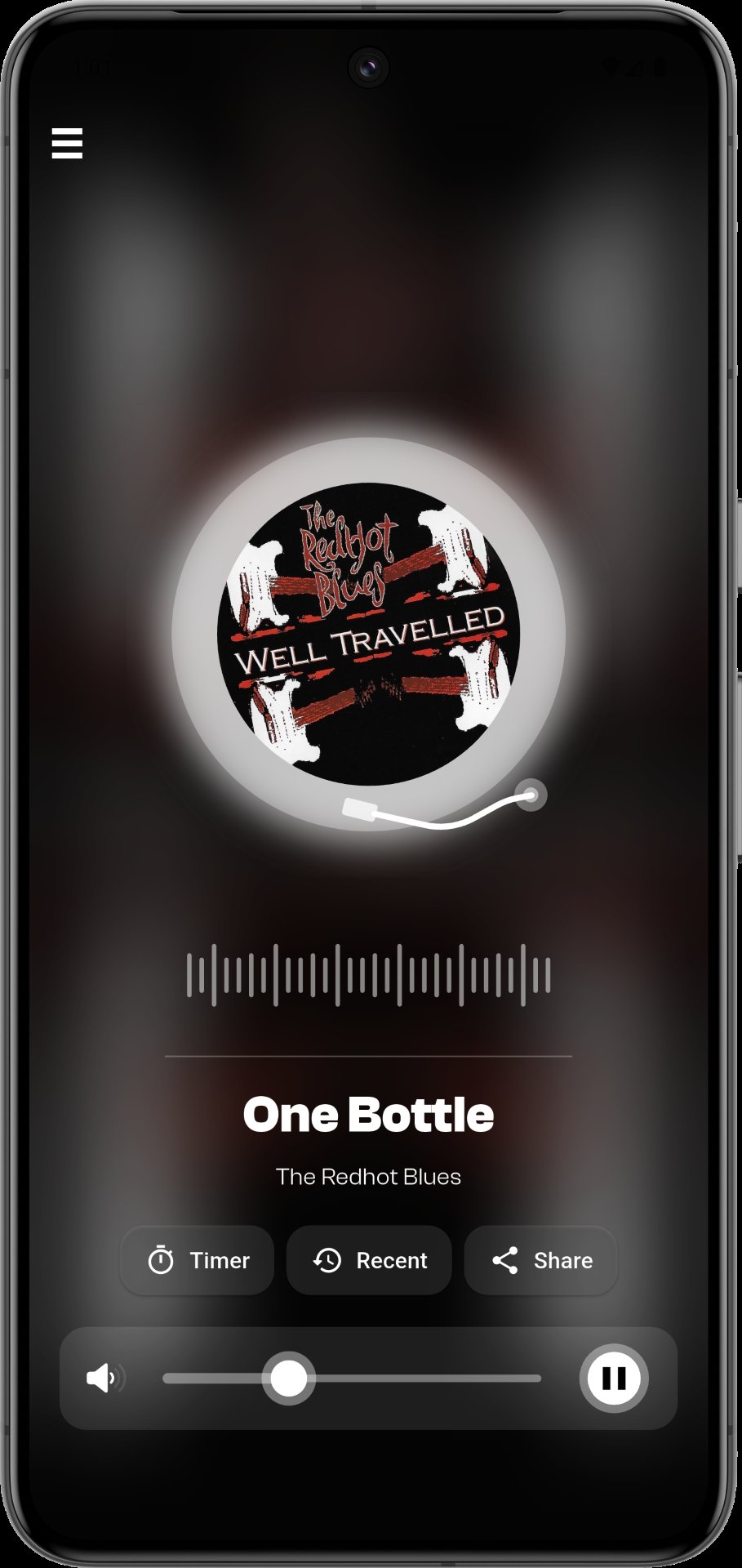
Hear it for yourself
Every artist and era in this story is still alive in our rotation — 24/7, free, no history lesson required.